Types of palov
Uzbekistan's palov: from valley to oasis
Devzira palov from the valley, layered Samarkand palov, Tashkent celebration palov, vine-leaf qovatok and Bukhara's oshi-sofi: the shared foundation and the differences that shape their flavour.
What brings these palov traditions together
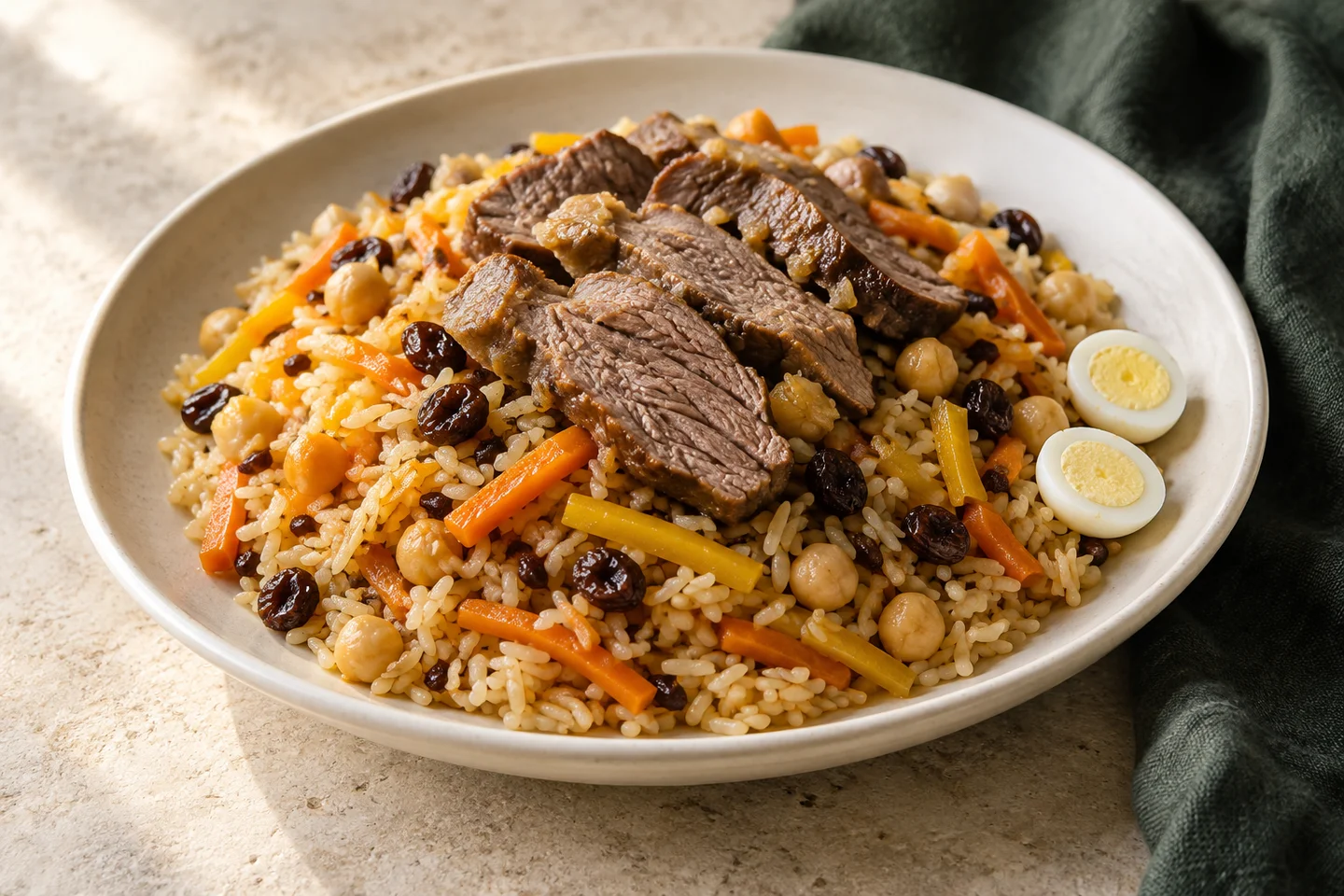
In many Uzbek palov recipes, rice, meat, carrots, onions, oil and spices complement one another. Rice absorbs the flavourful liquid; carrots bring softness and natural sweetness; meat and onions give the zirvak its depth. Separate grains on the finished platter depend not only on the rice variety but also on the balance between rinsing, water, heat and the final covered steaming stage.
The differences begin with the ingredients but go further. The degree of frying changes the colour of the rice. Mixing the ingredients or preserving their layers determines which flavours stand out in each mouthful. Chickpeas, raisins or vine-leaf parcels also change the texture. That is why colour alone is not enough to distinguish these dishes.
When tasting the regional versions below, try the rice on its own first, then with carrots and meat. This makes it easier to notice doneness, the amount of fat, the aroma of the spices and the role of the additions. Cooks and households differ even within one city; a regional name describes a broad tradition.
Fergana: devzira and deeply fried flavour
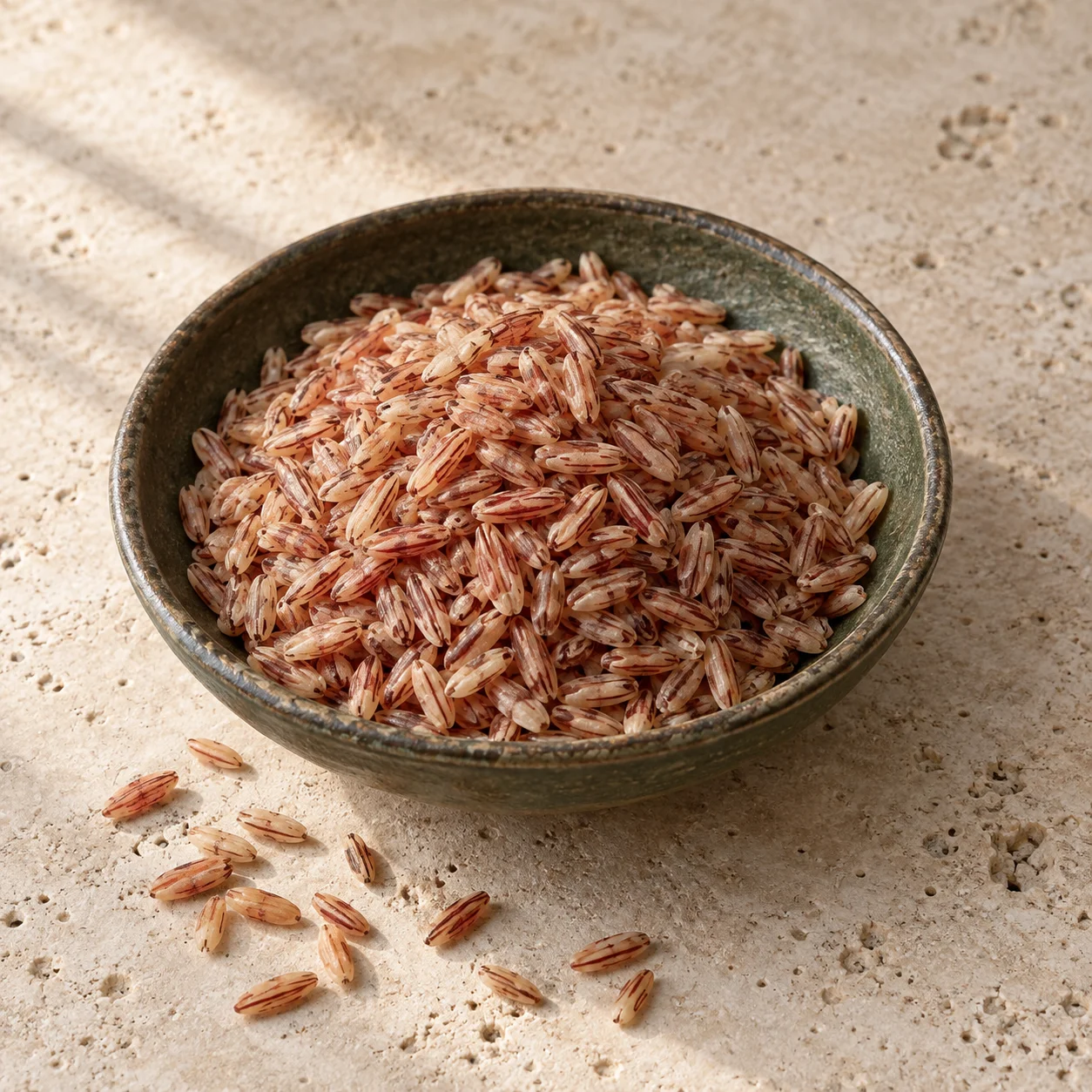
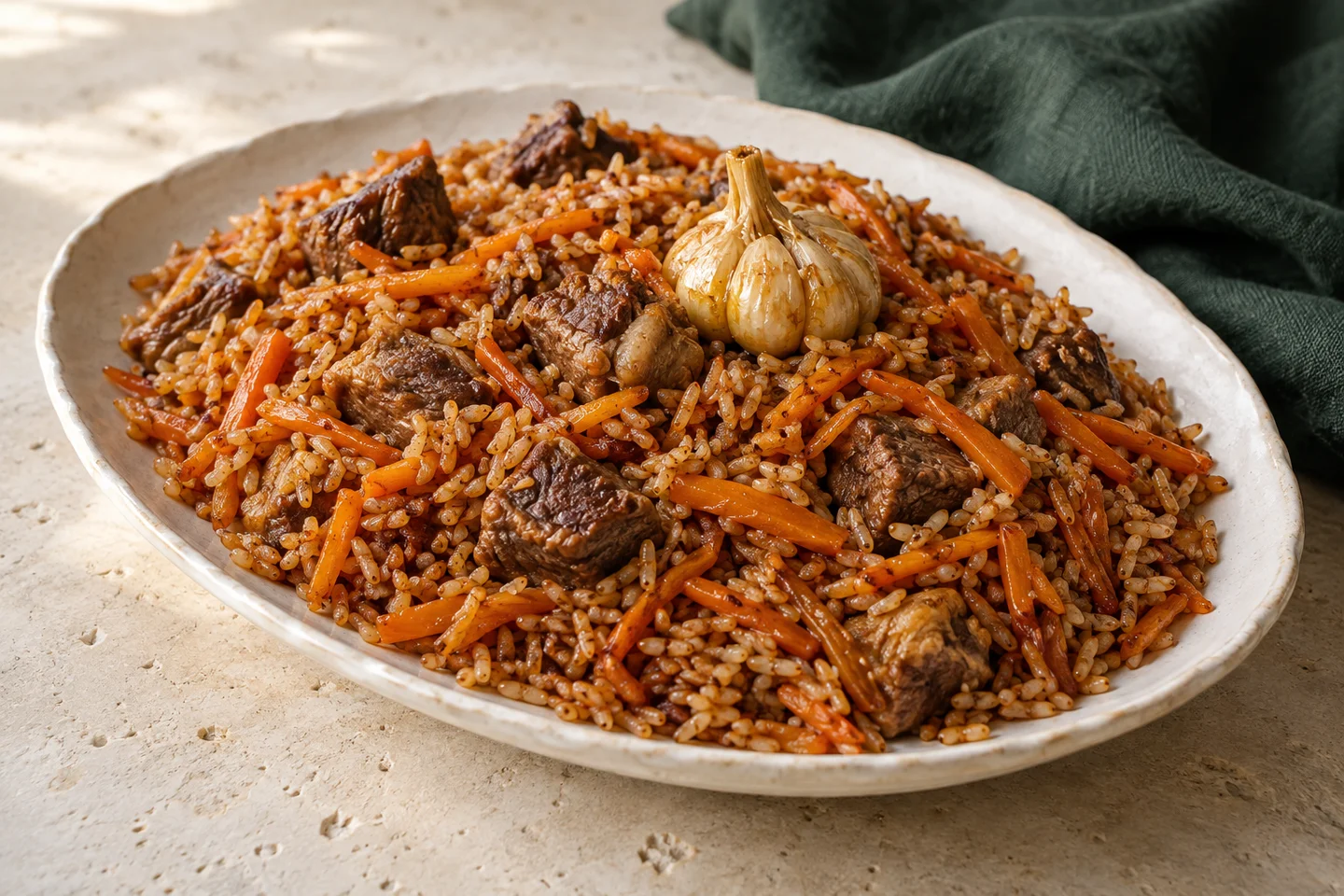
Devzira rice is one of the familiar hallmarks of Fergana palov. The reddish-brown raw grains, their plump cooked appearance and their affinity with the zirvak give the dish its character. Flavour from the fried meat, onion and carrot base infuses the rice. The finished dish is generally not just a layer of white rice: grains and carrots appear together on the platter.
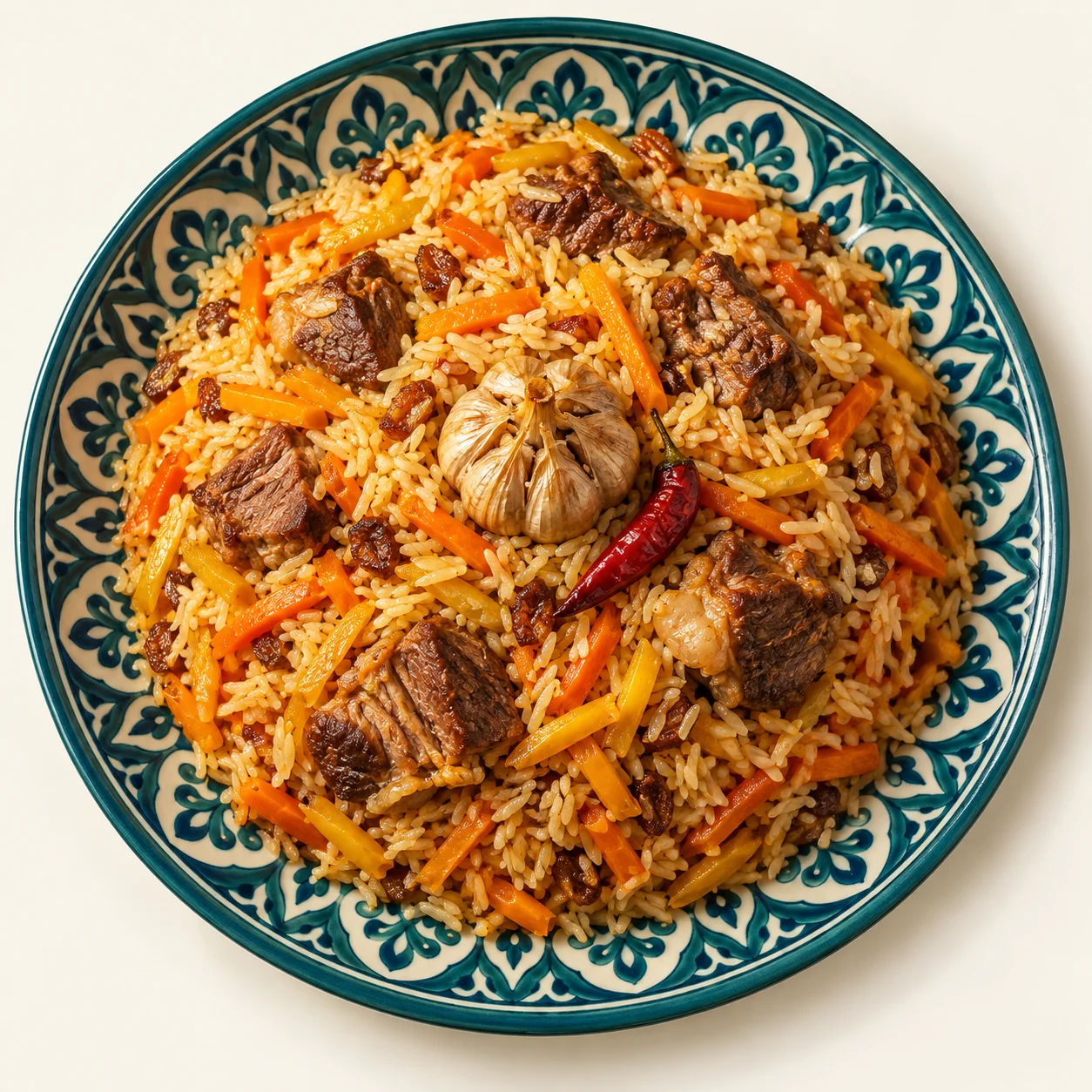
Whole garlic heads may be added to the zirvak before the rice. Cooking softens their pungency, turning them into a tender accompaniment to the separate grains. Spices should not mask the rice's own flavour. Burning onions is not a way to intensify the fried flavour: a blackened base spreads bitterness throughout the pot.
The most important thing when trying this method at home is getting to know your devzira. Processing and storage vary, so do not blindly borrow soaking times or water quantities from another rice. After adding the rice, check several spots for doneness; if the water has reduced but the centre is still hard, add a little hot water as needed.
Compared with Samarkand's clearly layered presentation, this palov brings the combined flavour of rice and zirvak to the fore. The finished grains should separate and the carrots should keep their shape. Judge more than the dark colour: tenderness, separate grains and balanced flavour all matter.
Kokand and Namangan: related flavours of the valley
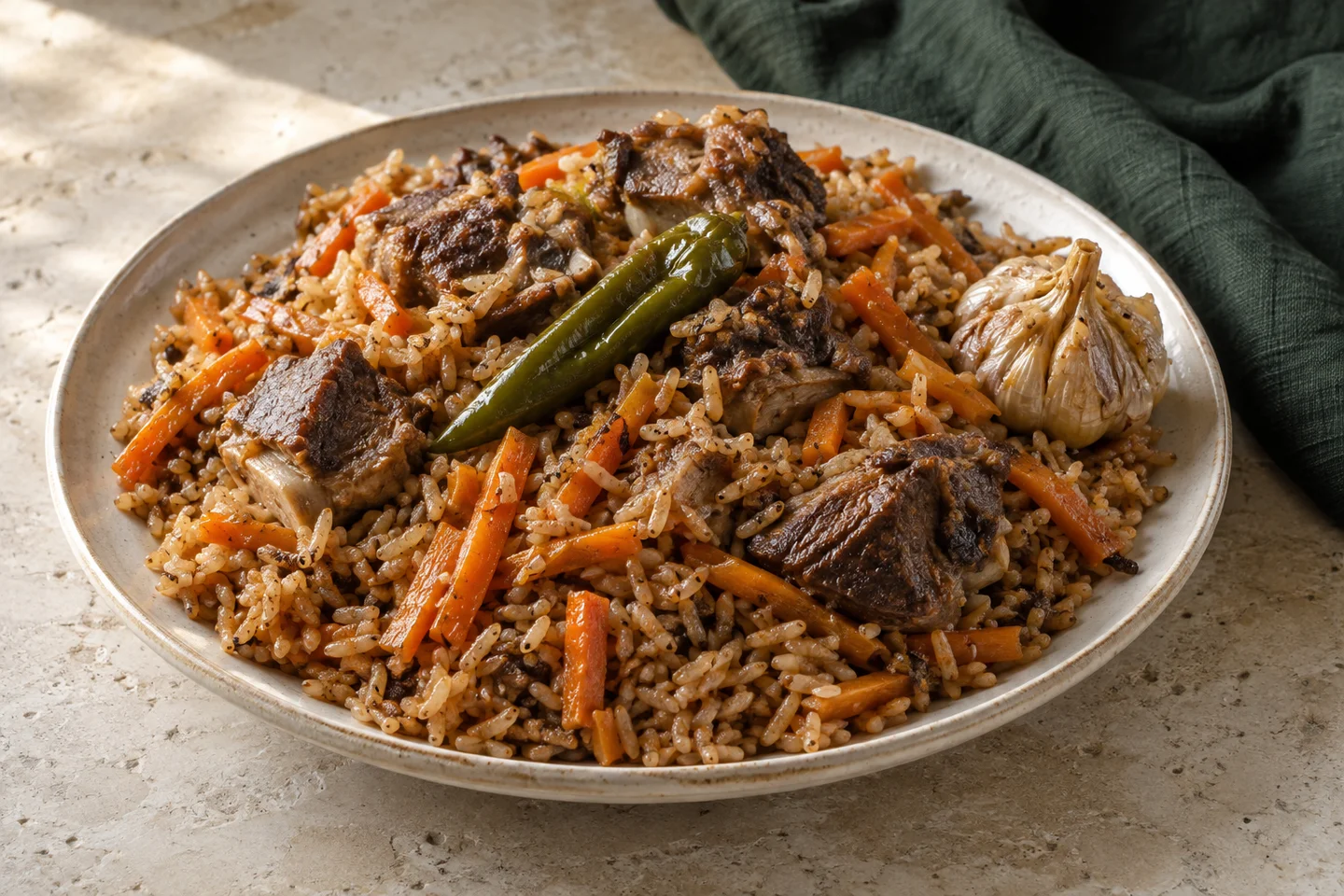
The rice traditions of the Fergana Valley connect the palov of Kokand and Namangan. Devzira is important here too. Its denser, plump cooked grains and the zirvak shape the main impression of the dish. Different city names need not mean entirely different ingredients in every recipe.
In Kokand versions, garlic and hot peppers complement the flavour. A whole pepper behaves differently from a chopped one: breaking it can release more heat into the rice. Offering it separately when serving makes it easier to accommodate each guest's taste.
When tasting Namangan palov, start by considering the rice's doneness. The outside should be soft and the centre cooked through; an oily appearance is no substitute for separate grains. Carrots and meat should accompany the rice without any one ingredient overwhelming the others.
Use the same questions when comparing these dishes with Fergana palov: what is the rice like, how pronounced is the fried flavour, and how are garlic and peppers served? The absence of raisins or other additions does not make a dish incomplete. You can recognise the valley's shared character while respecting local and family variations.
Samarkand: layers of rice, carrots and meat
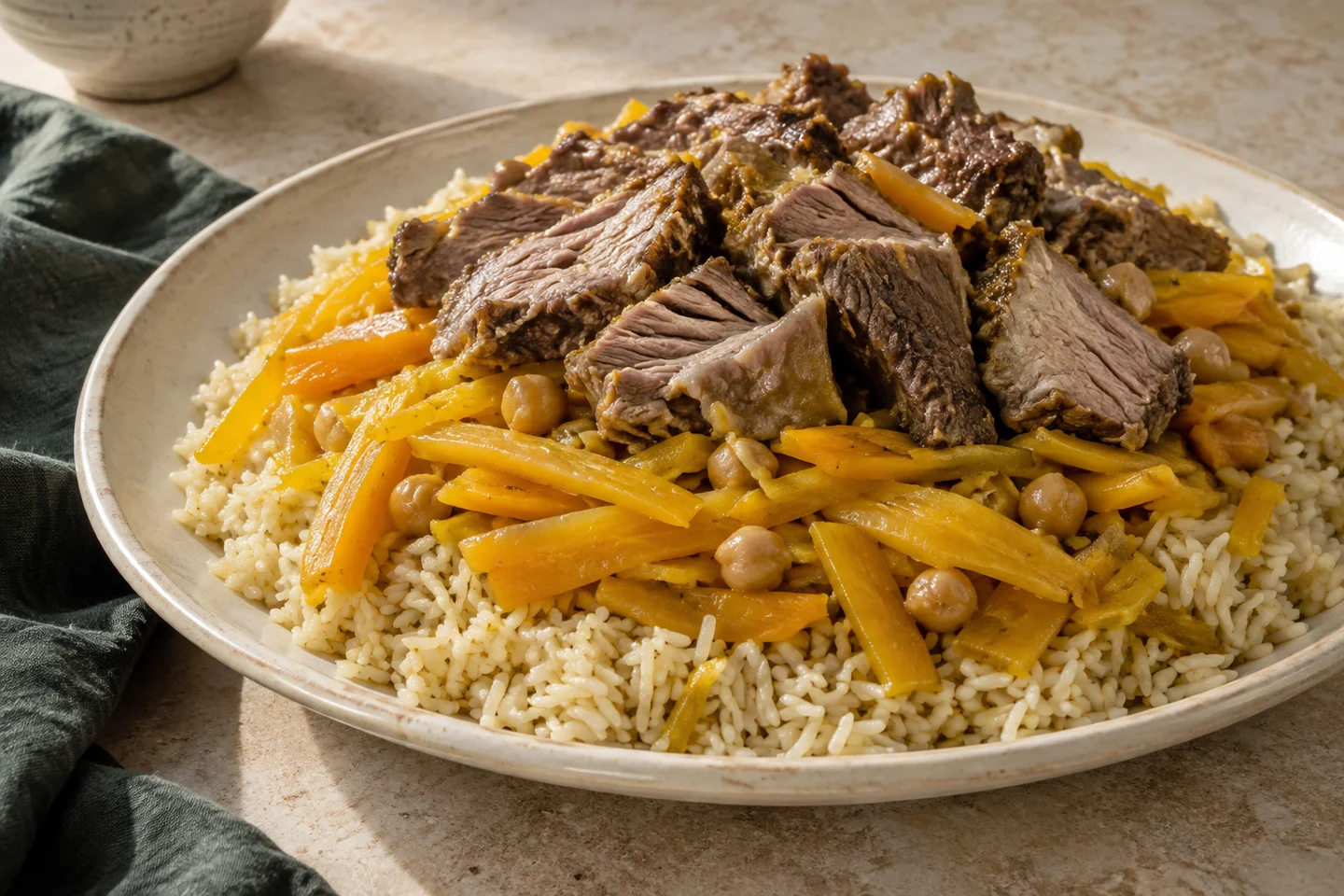
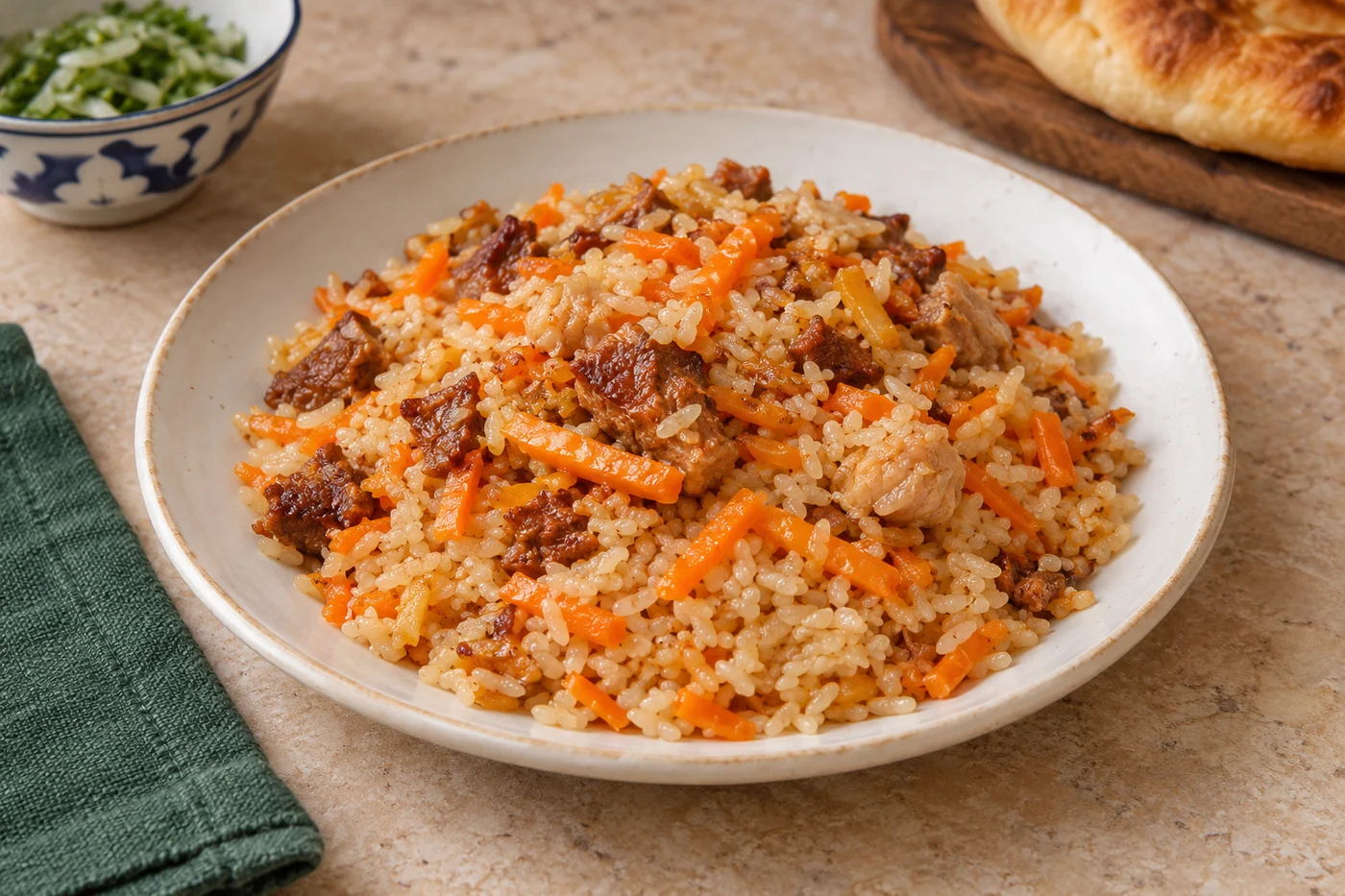
Samarkand palov is distinguished by its handling of layers. At the relevant stages of cooking, the rice, carrots and meat are not stirred into one mixture. When served, carrots and meat are placed separately on top of the rice. This makes each ingredient easy to see and its portion easy to choose.
This presentation also changes the experience of flavour: one mouthful may be mainly rice, another richer in tender carrots and meat. Versions using yellow carrots have more muted colours. A pale colour does not mean the food is undercooked or bland; frying and layering both influence the result.
Preserving layers does not mean leaving the pot unattended. Watch the water on the rice, the evenness of the boil and whether the grains are cooked inside. Unnecessary stirring with a skimmer can crush the carrots below and mix the layers. The cook's task is to manage the cooking without disturbing the ingredients more than necessary.
Compared with Fergana's mixed presentation, the difference is not merely visual. In the Samarkand method, the textures of the individual ingredients are more distinct. It is particularly important to give every guest a balanced share of rice, carrots and meat when serving.
Tashkent: the rich ingredients of celebration palov
Tashkent celebration palov is associated with festive tables. Chickpeas or raisins added to rice, carrots and meat bring extra texture and flavour. The chickpeas should be tender but hold their shape; raisins provide gently sweet mouthfuls among the savoury meat. Not every household recipe uses these additions in the same amounts.
Sliced meat may be arranged on top, and some tables add eggs or qazi, a horsemeat sausage. Do not treat these as the dish's only defining, compulsory features. Any addition should leave the rice and carrots visible and preserve the balance of flavour across the platter.
It is a mistake to treat chickpeas as a simple addition that cooks in the same time as rice. Their preparation and the time needed to soften them must be considered. With raisins, monitor the overall sweetness: carrots already contribute sweetness of their own. Rich ingredients do not mean adding more products without a plan.
For a large celebration pot, ingredient preparation, heat control and serving must be coordinated. At home, it is easier to learn on a small scale: first establish a reliable rice-to-carrot-to-meat ratio, then try additions one at a time. This makes it easier to understand how each ingredient changes the flavour.
Andijan: qovatok palov with vine-leaf parcels
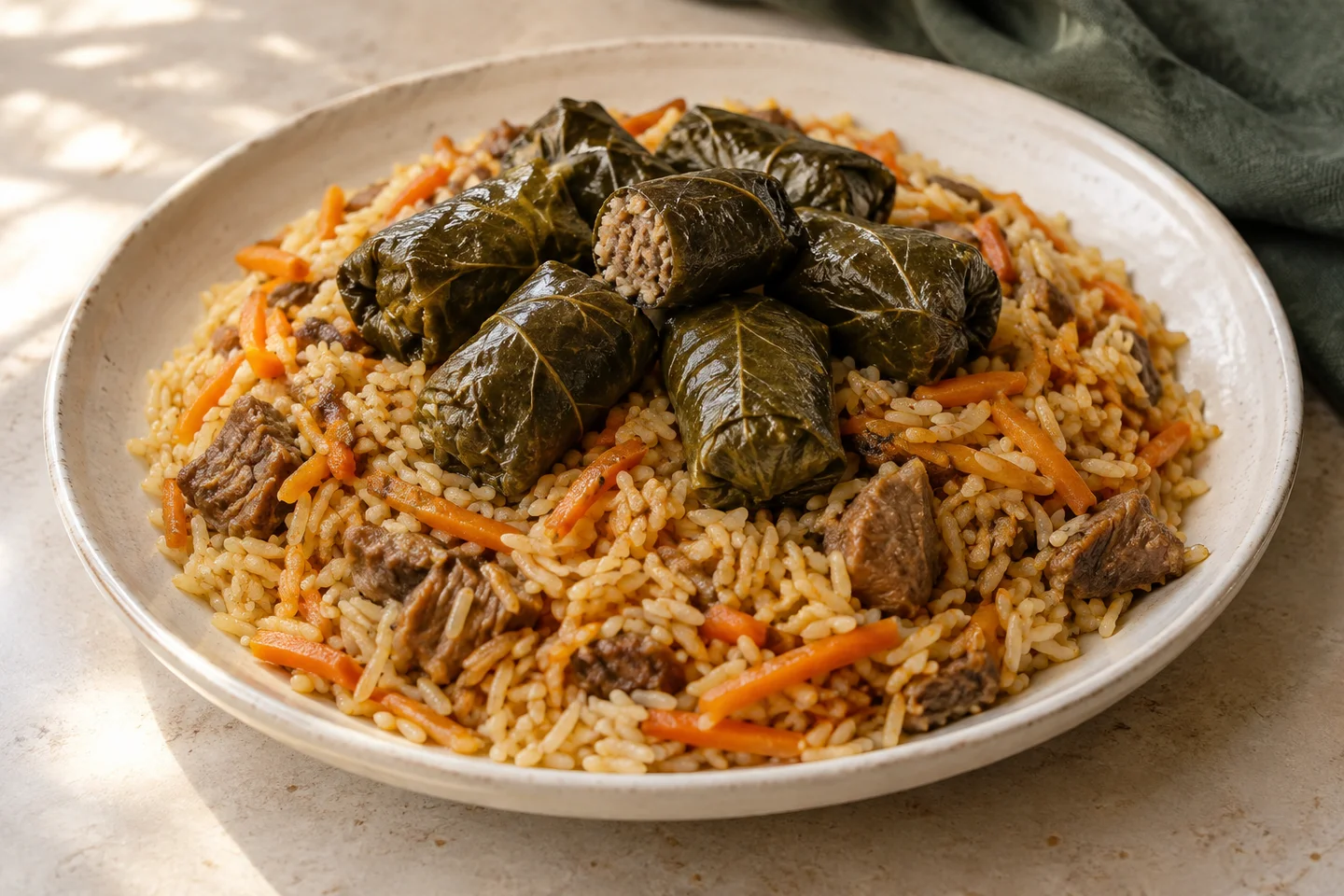
The most visible feature of qovatok palov is its small vine-leaf parcels. These add another layer to the familiar rice, carrot and meat base. This version associated with Andijan should therefore not be identified by the colour of the rice alone: the parcels on the platter reveal its main distinction.
The leaf itself is edible. Its tenderness, the doneness of the filling and the integrity of the parcel should be assessed together. A very thick or tough leaf may remain unpleasantly firm even when the rice is ready. Careful arranging and serving help prevent the parcels from opening.
Making qovatok takes additional work: selecting leaves, preparing the filling and arranging the parcels. Parcels that differ greatly in size may not cook evenly. Getting the rice right is not enough in this dish; the doneness of the parcels also determines the final quality of the platter.
When comparing it with a plain meat palov, first taste rice and carrots, then a mouthful with qovatok. This makes the relationship between the leaf's flavour, the tender filling and the zirvak clearer. Distribute the parcels so each serving has some; they are part of the meal, not merely a garnish to set aside.
Bukhara: the gentle layers of oshi-sofi
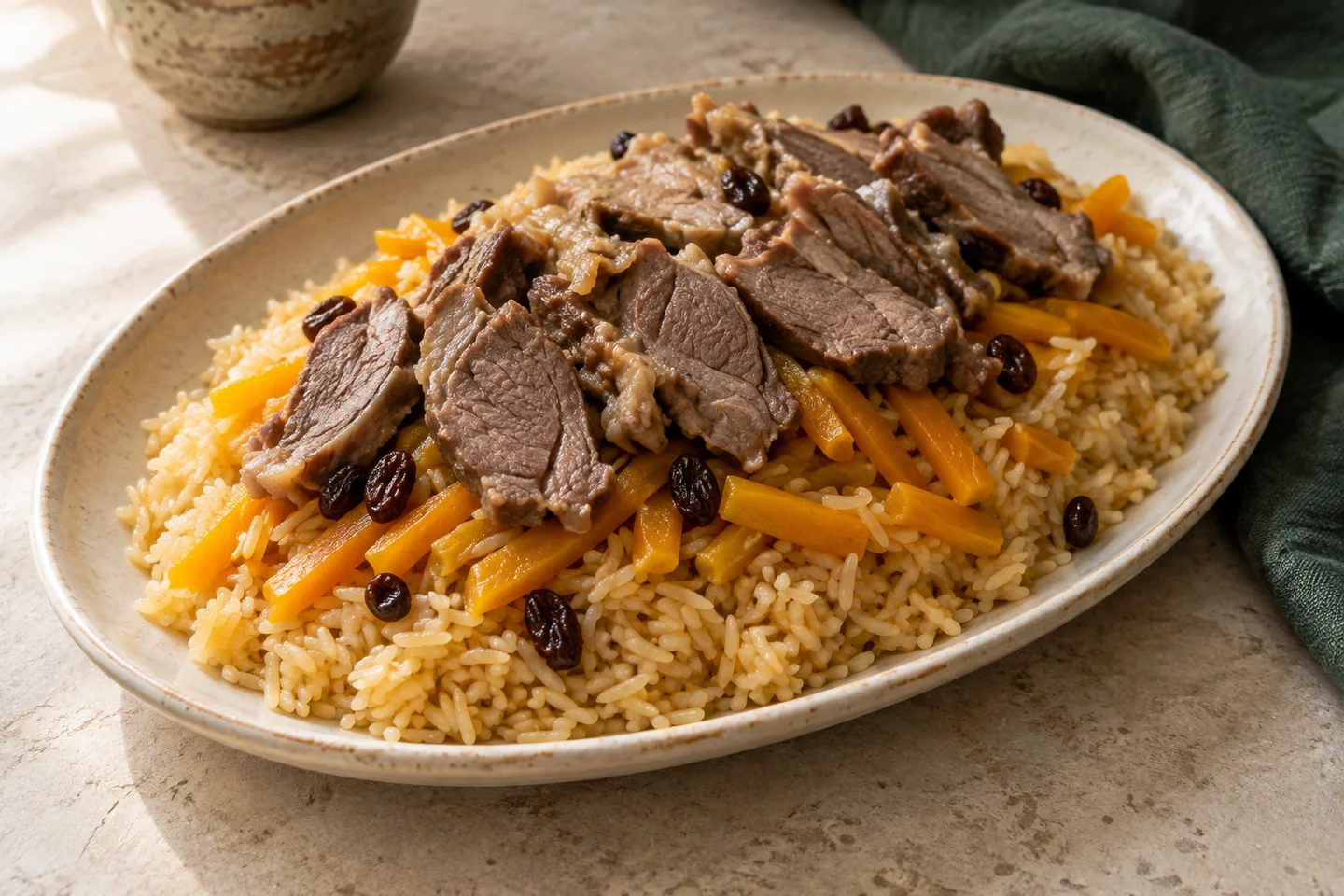
Bukhara's oshi-sofi is a palov in which the layers are preserved. The distinct rice, carrots and meat set it apart from darker, strongly fried palov that is thoroughly mixed before serving. Pale grains, tender carrots and meat arranged on top play an important part in its appearance.
There are versions made with vegetable oils, including sesame or cottonseed oil. The type of oil influences aroma, while its quantity changes how the rice feels in the mouth. The name oshi-sofi does not specify a fixed amount of fat or calories per serving: the actual ingredients and quantities still matter.
Its relationship with Samarkand palov can be seen in the preservation of layers and the serving method. But the two regional dishes need not be treated as a single recipe. Rice, oil, additions and the cook's working method change the result. When comparing them, consider the particular platter you are tasting as well as its name.
When judging oshi-sofi, look for a balance between tender rice and separate grains. Carrots should hold their shape and the meat should break easily into mouthfuls. Too much oil collecting under the rice can weigh down its delicate flavour. Its character comes through best when each layer is proportioned well.