History
The history of palov: legend, names and verified evidence
How to read stories of palov's antiquity, distinguish the Avicenna legend from history and interpret modern documents accurately.
Why is one precise date hard to give?
A dish's history may be more complex than a single date of invention. Cooking rice with meat and spices has led to different methods in different places. The existence of two dishes with similar ingredients does not, by itself, prove that one descended directly from the other.
Historical claims therefore need precise questions: are we discussing the dish's name, a method of cooking rice or a present-day regional recipe? These are three different matters. Using an answer to one as evidence for another can lead to mistakes.
The familiar story about Avicenna
A legend links palov with Avicenna, a lovesick prince and a restorative meal. It may express the dish's value in popular imagination, but it is not documentary evidence that a particular historical figure invented the recipe.
The value of reading a legend does not depend on accepting it as fact. It prompts reflection on the meanings people give food and how they express ideas about health and hospitality. Its genre must simply remain clear: a story cannot replace historical proof.
What do similar names tell us?
Names such as palov, plov, pilav, pulao and polo refer to rice dishes in different languages. The site's atlas introduces them by their local names. Similar sounds alone, however, cannot establish a precise route of diffusion, a people who invented the dish or a single place of invention.
Linguistic history needs dated texts, dictionaries and specialist research. Culinary history also considers cooking methods, the movement of ingredients and dining settings. Keeping these two lines of enquiry distinct helps build a sounder understanding.
Food history and cultural recognition
International cultural recognition in 2016 does not mean palov came into existence that year. The recipe's history, the development of regional methods and recognition of the tradition are different questions.
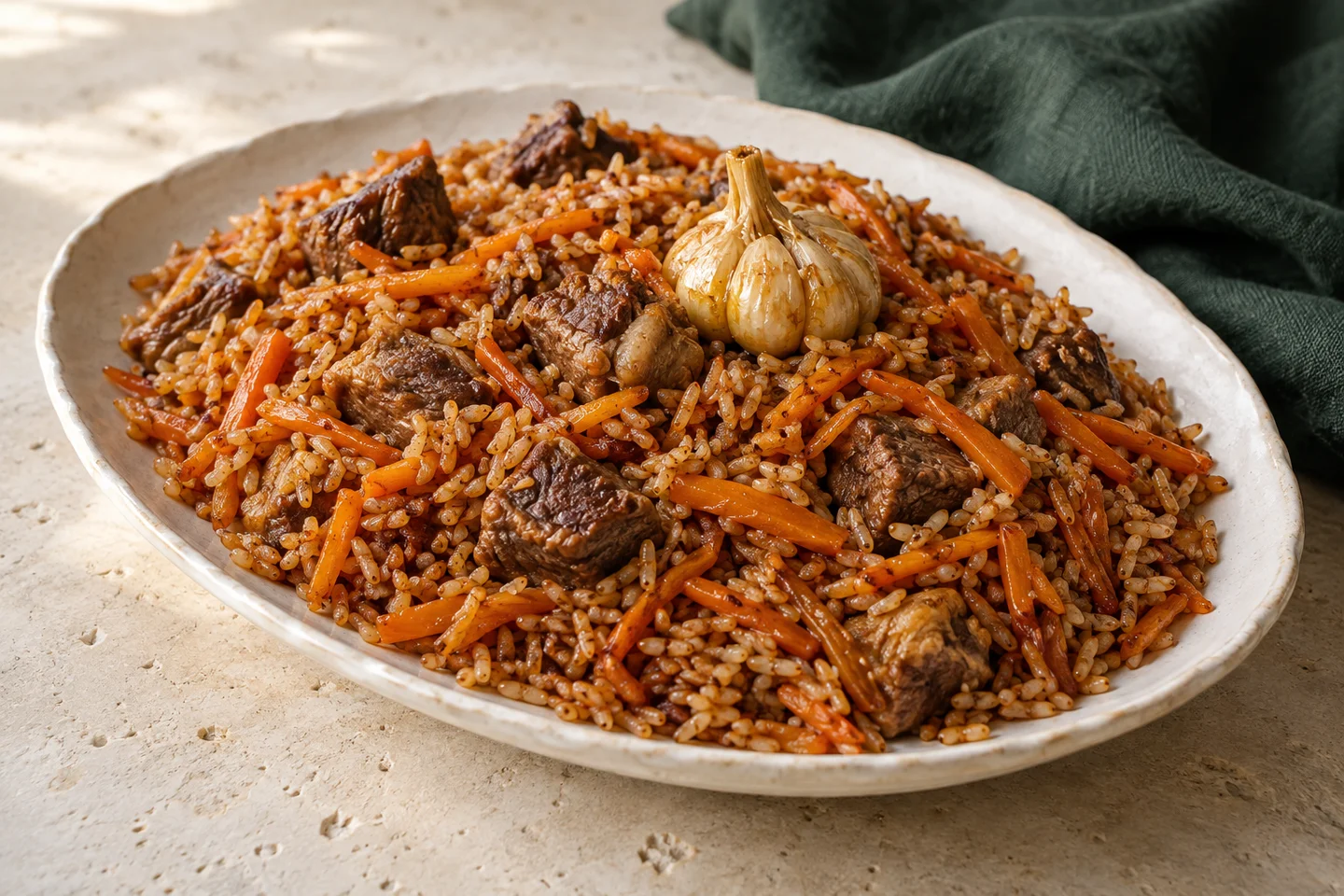
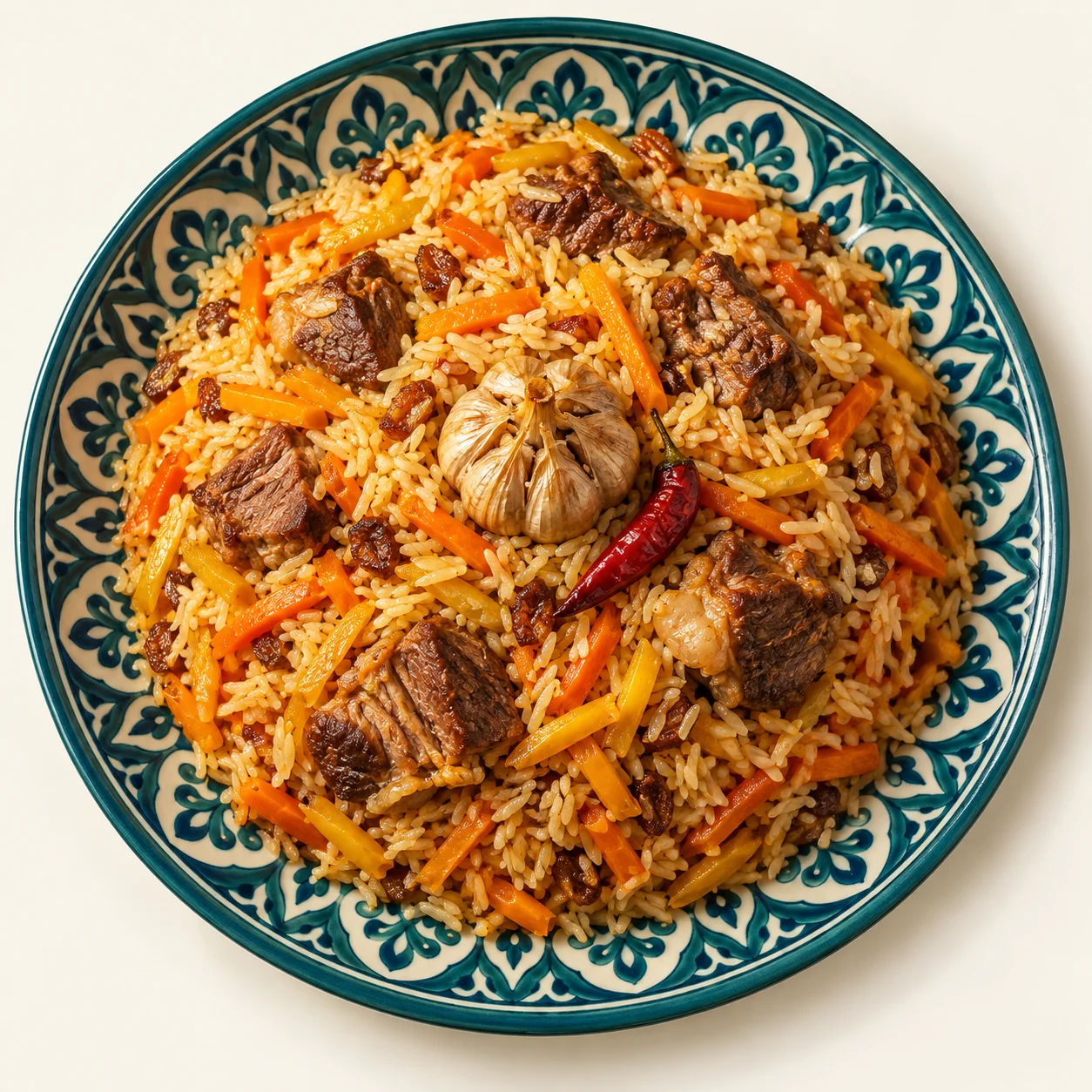
You can also explore history through the finished platter: rice variety, carrot cuts, spices and serving style reflect generations of experience. Knowing when and from whom a family recipe was learned adds a human dimension to that experience.
Working with family memories
Memories such as 'my grandfather made palov this way' are valuable for understanding family traditions. Recording who said it and the place and period concerned makes the information more useful. One family's experience should not be presented as the only rule for an entire province or people.
Official documents and oral memories can both be useful, depending on the question. They serve different purposes: a document formally records a particular situation, while a memory reveals people's experiences. Good historical writing does not conceal their limits.
How should we read palov history?
Phrases such as 'known since ancient times' or 'everyone knows' do not replace the evidence discussed above. Elegant writing in a popular article does not mean every detail has been verified.
Unanswered questions about palov's history do not diminish its cultural value.